
WMS implementation
Blue Yonder deployments built around your fulfillment model, not a generic template. First rollouts or new sites for existing Blue Yonder customers, from process design through go-live.
What's included in wms implementation
Blue Yonder WMS implementation, enhancements and warehouse automation integration. Tested against your real order volume, cut over in stages, with a rollback plan defined before day one.
Most WMS rollouts don't fail at contract signing. They fail in the details: testing that's rushed, change management that's thin, and no plan to roll back. We design those details first.
Automation tends to break at the handoff, where the WMS assigns work to the floor and the floor reports back. Choose a layer to see what we connect there.
Configured around your fulfillment model: process design, task logic and the workflows your floor actually runs, not a generic template.
Blue Yonder deployments built around your fulfillment model, not a generic template. First rollouts or new sites for existing Blue Yonder customers, from process design through go-live.
What's included in wms implementation
Already live? We find the bottleneck, tune the workflow, and fix the performance issues your team has been working around for months.
What's included in enhancements and customizations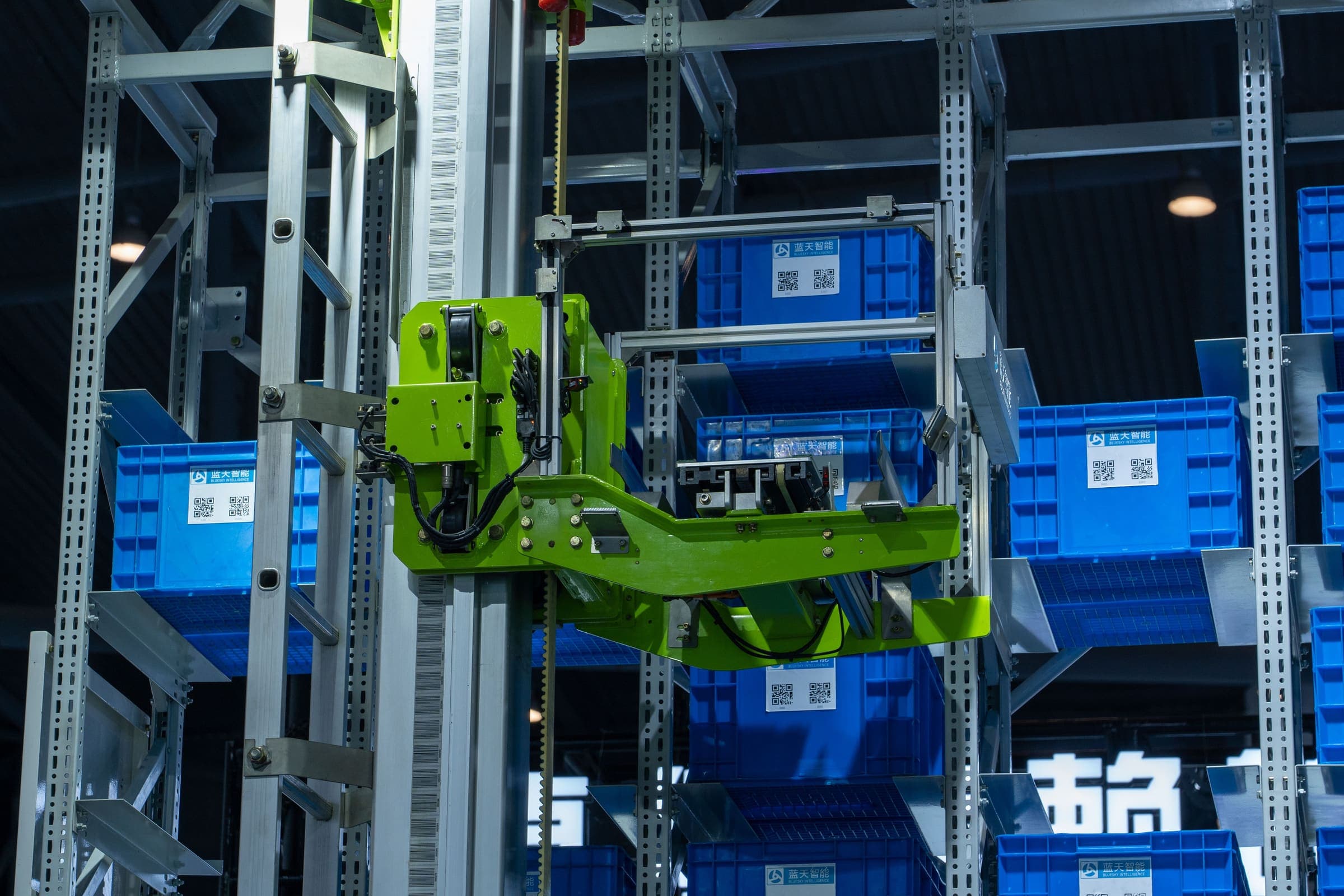
Blue Yonder connected to the AGVs on your floor and the conveyor and sortation your warehouse control system runs, as one coordinated layer.
What's included in automation integrationBoth views read the same synthetic simulation. Tasks move from open to done, AGVs light while their task is in progress, and trailers fill at the doors.
Illustration of a live cutover console: stage two of three in progress, pick and load tasks moving from open to done, dock doors loading and dispatching trailers, and the rollback plan ready.
No handoff from a sales team to a delivery bench. The conversation on your first call carries through cutover and hypercare.
We take on a small number of projects at a time, so yours has full attention on the days that matter, cutover night included.
Blue Yonder, your WCS, AGV and AMR fleets, and host/ERP integration handled as one layer, not split across vendors pointing at each other.
Every cutover is tested against real order volume and the edge cases from your busiest day. Go-live happens in stages, and floor teams are trained ahead of the system.
The person you speak to on the first call. There is no handoff from a sales team to a delivery bench: the same practitioner scopes the engagement, configures and integrates, and is there through cutover and hypercare.
Yes. Enhancement work starts from the system you run today: performance diagnostics, workflow tuning, version upgrades and data migration, aimed at the bottleneck your team has been working around.
Testing runs against your real order volume and the edge cases from your busiest days. The rollback plan is written before day one, and go-live happens in stages with a rollback gate, not as one irreversible switch.
Both, as one layer. Blue Yonder, your warehouse control system for conveyor and sortation, AGV/AMR task assignment, pick-to-light, and host/ERP interfaces are integrated together rather than split across vendors.
No sales deck. We talk through your current setup and your bottleneck, and whether we're the right fit. If we aren't, you'll hear that on the call.
15 minutes. No sales deck. Just your current setup, your bottleneck, and whether we're the right fit.